


90 Activities in 90 Days
90 Days in Fethiye
Tracing Back History
With its thousands years of history, Fethiye homes to a great number of ruins from Lycians to Byzantines, from Ottomans to these days.


BAYS


HISTORICAL AREA


NATURAL BEAUTIES


SPORT ACTIVITIES


FESTİVALS
HISTORICAL AREAS
Kayakoy
Abandoned houses, a ghost village… This village became a ghost village following the Population Exchange Agreement signed between Turkey and Greece in 1923, as the Christian population was sent to the opposite shore.
Araxa Ancient City
In the Araxa Ancient City, you can see some Lycian tombs, water channels used to bring water to the city during the Byzantine period, and old baths.
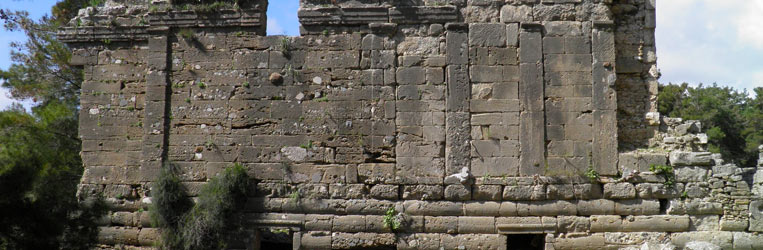
Amintas Rock Tombs
The rock tombs, which were carved into the rocks, from the Lycian period will fascinate you. You can see the royal tombs closely by climbing to Amintas and watch the view of Fethiye and sea.
Telmessos Ancient Theater
In this ancient theater which almost disappeared due to the great earthquakes in the past, excavations are ongoing.
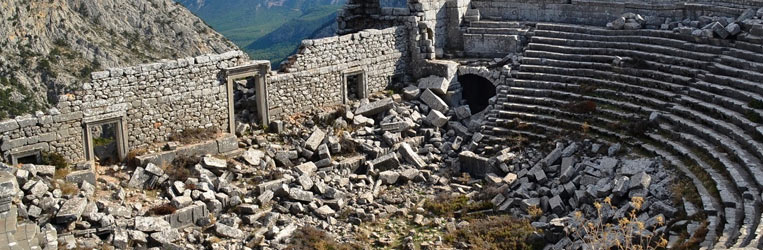
Pinara Ancient City
In Pinara that is one of the important ancient cities of the Lycian Civilization, you can see ruins such as rocks, sarcophagi, baths and theaters.
Letoon Ancient City
In the Letoon Ancient City, which was the religious center of Lycia in ancient times, you can see Leto, Apollon and Artemis temples.
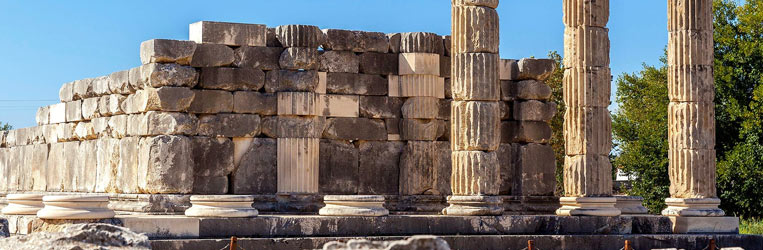
Tlos Ancient City
Tlos Ancient City, which is on the UNESCO World Heritage Tentative List, is one of the oldest settlement areas in the geography known as the Lycian Region.
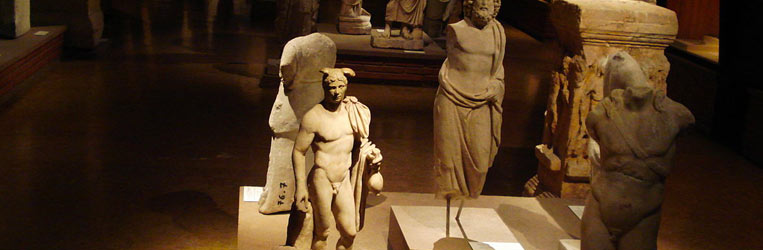
Fethiye Archeology Museum
In this museum, you can see many works that offer an insight into history from the Lycian period to the Ottoman period.
Afkule Monastery
It was built having been carved out of the rocks by a monk for the purpose of seclusion. Located approximately 400 meters above the sea level, the monastery draws attention with its view.
Physkos Ancient City
As one of the oldest settlements in the region, there are still ruins of a castle belonging to ancient city.
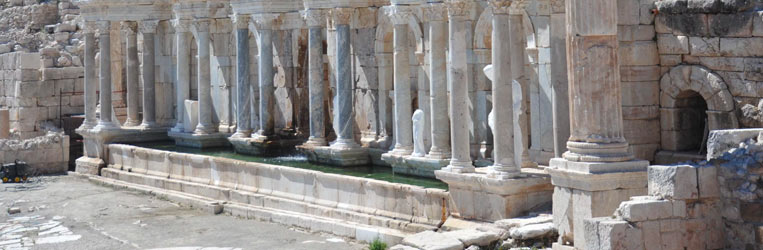
Amos Ancient City
Amos Ancient City once had the most important ports of the period in its 2,200-year history. You can trace back history by visiting the region.
Loryma Ancient City
The castle ruins can still be seen today in the city’s bay. You can watch a wonderful view during your visit to the ancient city.
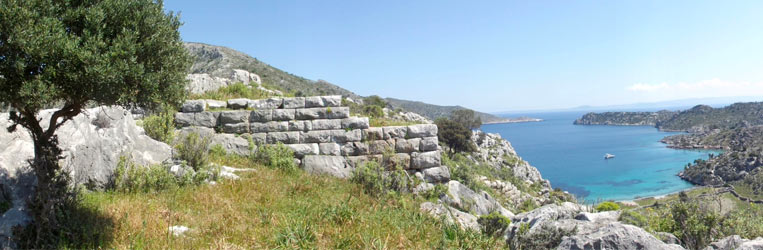
Kedrai Ancient City (Sedir Island)
Having been a settlement area of the Greeks, Persians, Hellenes, Romans and Byzantines, the island has many historical ruins. Surviving 2,500-seat theater and the foundations of the Apollo Temple can be visited.
Hydas Ancient City
In the ancient city, you can visit wall ruins, a tomb monument, a watchtower and several tombs on this tower.
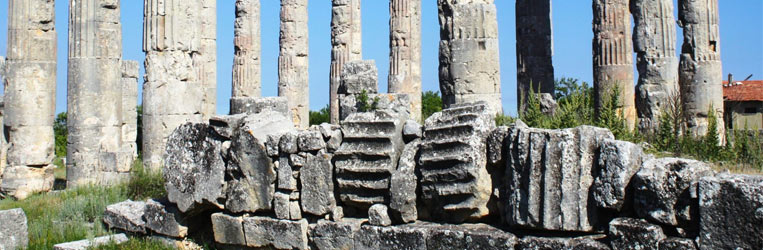
Phoenix Ancient City
Excavations are still ongoing in the city, which is considered to date back 2,400 years.
Bybassos Ancient City
Excavations are still ongoing in the ancient city of Bybassos, which is alleged to be mentioned in the writings of ancient period writers of Herodotus and Plinius.
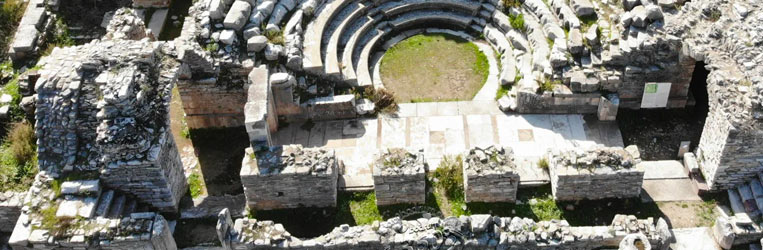
Syrna Ancient City
There are various columns and tomb ruins in the ancient city, where there is not enough information about its history.
Kastabos (Castabus) Ancient City
Established on a plain area above Eren Mountain, Kastabos (Castabus) Ancient City allow you to enjoy the wonderful view and trace back history.
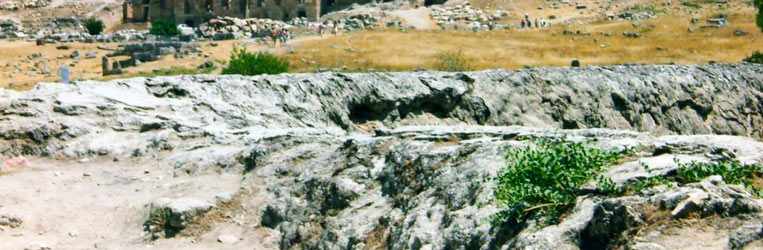
Knidos Ancient City
Having been one of the most important trade, art and culture city of its period, this city still has many works surviving until today. During your visit to the ancient city welcoming its visitors as an open-air museum, you can see the 8000-seat theater, the temple of Demeter, the sundial and Knidos Lighthouse.
Phellos Ancient City
You should climb up to 800 meters to go to the ancient city, which is still surviving from the Lycian Civilization until today. You can see a wonderful view, walls, reliefs and sarcophagi in the city.
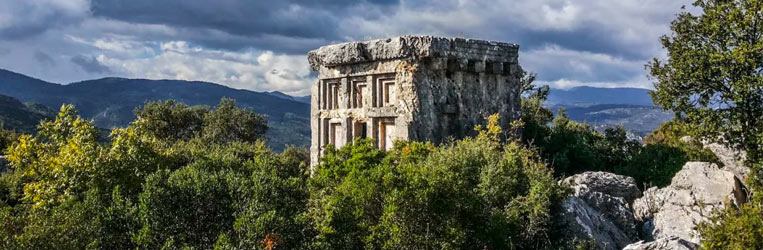
Aperlai Ancient City
A lot of works still survive in the city, which is in a very good condition. You will feel yourself in a different time while visiting the ancient city.
Marmaris Castle and Museum
You can take wonderful photos in the castle, offering an excellent view with its location overlooking Marmaris.
In the archeology section, you can also see amphora parts, pottery and glassware, coins and ornaments belonging to the Hellenistic, Roman and Byzantine periods, and weaving works, rugs, furniture, copper kitchenware, weapons and ornaments from the Ottoman period exhibited in the ethnography section.
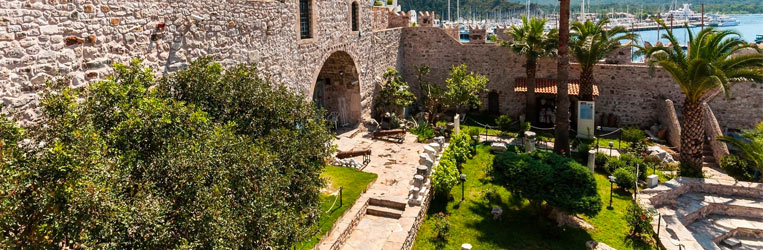
Hafsa Sultan Caravanserai
You can visit the caravanserai built by Suleiman the Magnificent on behalf of his mother, Ayşe Hafsa Sultan, in Marmaris and see the traces of Ottoman culture.
St. Nicholas Memorial Museum
It is alleged that Saint Nicholas, known as Santa Claus, was born in Patara, one of the important cities of the Lycia region, and lived in Myra. You can visit the church built for St. Nicholas, who is believed to be the savior of the poor and the protector of sailors and students, and you can see the sarcophagus in which Santa Claus was placed.
